
Monsoon Skin Infections in Noida: Causes, Prevention & Treatment
Fungal and bacterial skin infections spike during monsoon. Dr. Deepti Rana at M&D Clinic, Sector 18 Noida, explains causes, prevention, and treatment options.
Monsoon Skin Infections in Noida: Causes, Prevention & Treatment
Every year, as humidity climbs across Noida and Delhi NCR during the monsoon months, dermatology clinics see a sharp rise in one complaint: itchy, red, spreading skin rashes that just won't go away with home remedies. At M&D Clinic, Dr. Deepti Rana sees this pattern repeat every season — and most cases are entirely preventable with the right care.
Why Monsoon Is Prime Time for Skin Infections
Fungus and certain bacteria thrive in warm, moist environments. Monsoon weather creates exactly those conditions on the skin — prolonged sweating trapped under damp clothing, reduced sun exposure, and humidity that keeps skin folds from drying out properly. Combined with synthetic fabrics, tight clothing, and shared personal items, this is the perfect setup for infections to take hold and spread quickly.
Common Monsoon Skin Infections
Fungal infections (Tinea/Ringworm)
Appears as ring-shaped, red, itchy patches with raised edges, commonly on the groin, underarms, feet, and skin folds. Highly contagious through direct contact or shared clothing and towels.
Athlete's foot (Tinea Pedis)
Peeling, itching, and cracking between the toes from wearing wet shoes or socks for extended periods — extremely common among commuters and students during monsoon.
Bacterial folliculitis
Small red or pus-filled bumps around hair follicles, often worsened by sweat, friction, and non-breathable clothing.
Scabies and heat rashes
Intense itching, especially at night, can indicate scabies, which spreads easily in humid conditions and close-contact settings.
Fungal acne (Malassezia folliculitis)
Uniform, itchy small bumps on the chest, back, and forehead — frequently mistaken for regular acne, which means it often gets treated the wrong way and lingers for months.
Why Self-Treatment Often Backfires
A lot of patients try over-the-counter steroid-antifungal combination creams before coming in. These often make the rash look better for a week or two, then it returns worse and spreads further — because steroids suppress the visible inflammation without clearing the underlying fungus. This is one of the most common reasons monsoon infections become recurring or resistant, requiring longer treatment than if they'd been diagnosed correctly from the start.
Prevention Tips
Keep skin folds (underarms, groin, under breasts, between toes) clean and completely dry — pat dry, don't rub
Wear breathable cotton fabrics and change out of sweat-damp or rain-soaked clothing promptly
Avoid sharing towels, clothing, or footwear
Dry footwear completely between uses; alternate pairs if you're out in the rain often
Use an antifungal powder in humidity-prone areas if you're prone to recurrent infections
Don't apply random combination creams from the pharmacy without a diagnosis — see a dermatologist if a rash doesn't improve in 3–4 days
How M&D Clinic Treats Monsoon Skin Infections
Dr. Deepti Rana's approach starts with an accurate diagnosis — distinguishing fungal infections from eczema, bacterial infections, or allergic reactions, since each needs a different treatment. Depending on the type and severity, treatment may include targeted oral or topical antifungal medication, addressing any steroid-related resistance from prior self-treatment, and a hygiene and prevention plan to stop recurrence. Most straightforward cases clear within 2–3 weeks with the correct treatment.
When to See a Dermatologist
The rash spreads or doesn't improve after a few days of home care
Intense itching is disrupting sleep
You've already tried an OTC cream and the rash came back worse
The affected area is oozing, painful, or has a foul odor
FAQs
Q: How do I know if my rash is fungal or just a heat rash?
Fungal infections typically have a well-defined, ring-like border and gradually enlarge, while heat rash appears as small uniform bumps in sweat-prone areas without spreading in a ring pattern. A dermatologist can confirm this in a single visit.
Q: Is it safe to use the antifungal cream my pharmacist recommended?
Many OTC creams contain a steroid combined with an antifungal, which can worsen and prolong fungal infections. It's best to get a proper diagnosis before starting treatment, especially if the rash has been present more than a week.
Q: How long does monsoon fungal infection treatment take at M&D Clinic?
Most uncomplicated cases resolve in 2–3 weeks with correct antifungal treatment. Recurrent or previously mistreated cases may need a longer course.
Q: Can monsoon skin infections spread to other family members?
Yes, several are contagious through shared towels, clothing, or direct contact. Treating the infection promptly and avoiding shared personal items reduces the risk to others at home.
Q: How can I book an appointment for a skin infection at M&D Clinic?
Call or WhatsApp +91-9971846862, or use the appointment form at mndclinic.com. M&D Clinic is located at G-37, Ist Floor, Sector 18, Noida.

Seasonal Skin Allergies in Noida: Managing Weather-Change Rashes As Noida transitions out of mons
11 Sep 2026
Post-Monsoon Hair Fall in Noida: Causes & Treatment As monsoon winds down, many patients walk
01 Sep 2026
Monsoon Skin Infections in Noida: Causes, Prevention & Treatment Every year, as humidity clim
31 Aug 2026
Monsoon Skin Infections in Noida: Causes, Prevention & Treatment Fungal and bacterial skin in
26 Aug 2026
Skin Tags & Moles Removal in Noida: Safe, Simple & Dermatologist-Led Skin tags and moles
07 Aug 2026
Carbon Laser Facial in Noida: The Treatment Behind That Instant Glow Often called the "Holly
04 Aug 2026
MNRF Treatment in Noida: Microneedling RF for Scars, Texture & Skin Tightening If you've been
03 Aug 2026
Mesotherapy in Noida: Skin Rejuvenation Through Targeted Micro-Injections If you've noticed your
01 Aug 2026
Skin Boosters in Noida: Deep Hydration for Naturally Radiant Skin If your skin feels persistently
31 Jul 2026
Chemical Peels in Noida: Types, Benefits & What to Expect Chemical peels have remained one of
30 Jul 2026
Botox Treatment in Noida: What It Is, How It Works & What to Expect Fine lines and wrinkles a
29 Jul 2026
Pigmentation Treatment in Noida: Causes, Types & What Actually Works Dark spots, uneven skin
25 Jul 2026
Hydrafacial in Noida: The Glow Treatment Everyone's Talking About If you've searched for a quick
24 Jul 2026
Laser Tattoo Removal in Noida: Safe, Effective & Dermatologist-Led Tattoos can carry a lot of
22 Jul 2026
Best Dermatology Clinic in Noida — Your Complete Guide to M&D Clinic, Sector 18
21 Jul 2026
Laser Hair Reduction Myths — Busted (And Why M&D Clinic Is Noida's Trusted Choice)
20 Jul 2026
Acne Treatment in Noida: Causes, Solutions & What Actually Works Acne is one of the most comm
20 Jul 2026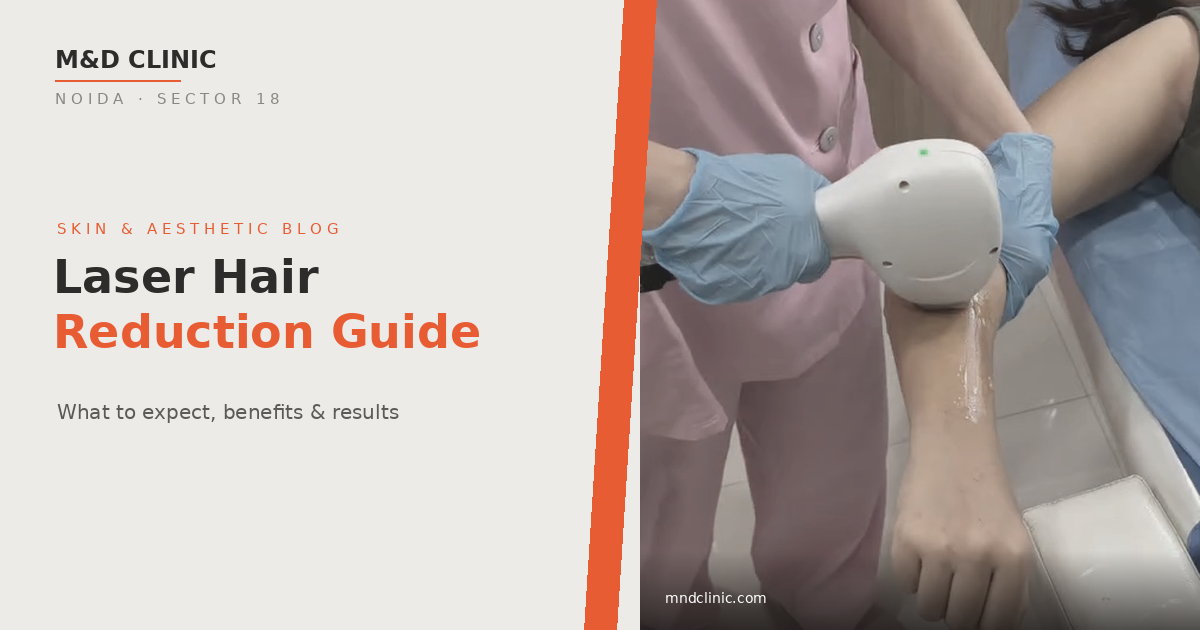
Laser Hair Reduction in Noida: What to Expect, Benefits & Results Tired of the endless cycle
18 Jul 2026
Best Dermatology & Aesthetic Clinic in Noida (And Why Patients Travel From Greater Noida, Ghazia
17 Jul 2026
Finding the best dermatologist in Noida can feel overwhelming with so many clinics offering skin and
14 Jul 2026
Dark circles under the eyes are one of the most common cosmetic concerns seen in both men and women.
16 May 2026
Dark underarms are a common skin concern affecting both men and women. Underarm pigmentation can imp
13 May 2026
Pigmentation Treatment in Noida: What Actually Works Hyperpigmentation—whether it&rsq
22 Apr 2026
## Is a HydraFacial Worth It? A Dermatologist’s Guide to Glowing Skin in Noida If you&rsquo
03 Apr 2026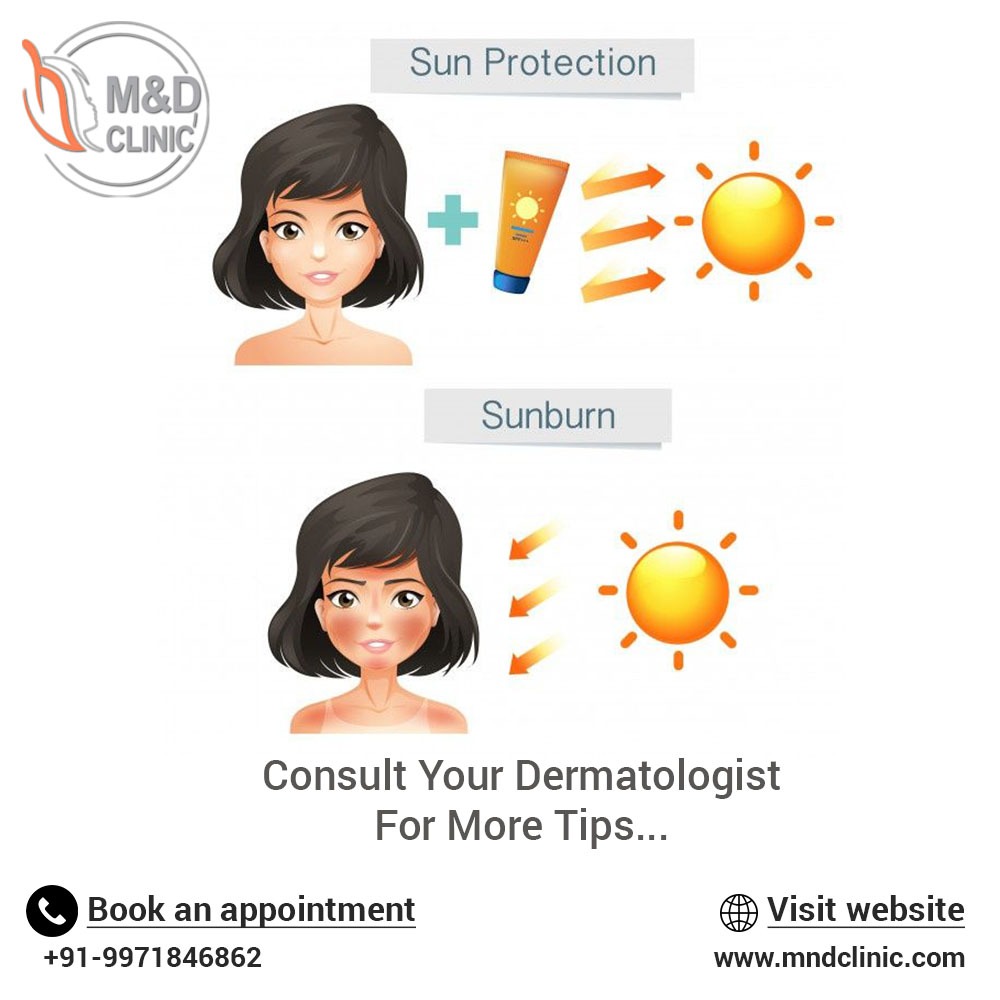
## The Best Sunscreen for Indian Skin: A Dermatologist’s Guide In a city like Noida, where
02 Apr 2026