
Pigmentation Treatment in Noida: Causes, Types & What Actually Works
Dark spots, uneven skin tone, and stubborn patches of pigmentation are among the most common concerns patients bring to dermatology clinics in Noida and Delhi NCR — largely due to sun exposure, pollution, and hormonal factors specific to this region. The good news is that pigmentation, in most cases, responds well to treatment when it's properly diagnosed first.
At M&D Clinic, Sector 18, Noida, pigmentation treatment begins with identifying the exact type and cause of your pigmentation under the expert care of Dr. Deepti Rana (MBBS, MD – Dermatology, Venereology & Leprosy), who brings over 19 years of experience treating Indian skin types.
What Causes Pigmentation?
Pigmentation isn't a single condition — it's a broad term covering several different causes:
Sun exposure — UV rays trigger excess melanin production, leading to dark spots and tanning
Hormonal changes — pregnancy, birth control, or hormonal imbalances can trigger melasma
Post-inflammatory pigmentation — dark marks left behind after acne, injury, or skin irritation
Pollution and environmental stress — increasingly common in NCR cities
Genetics — some individuals are naturally more prone to pigmentation
Aging — age spots and uneven tone can develop over time
Because the causes differ so much, treating pigmentation without identifying the type first often leads to disappointing results — which is why an accurate diagnosis matters more than trying random creams.
Common Types of Pigmentation We Treat
Melasma — brownish patches often triggered by hormones, commonly on cheeks and forehead
Sun spots / Age spots — flat dark spots from cumulative sun exposure
Post-acne marks — dark spots left behind after breakouts heal
Freckles — small, concentrated pigmented spots, often genetic
Uneven skin tone — general dullness or patchiness across the face
Pigmentation Treatment Options at M&D Clinic
1. Chemical Peels
Help exfoliate pigmented skin layers, gradually revealing more even-toned skin underneath. Effective for sun spots, post-acne marks, and mild melasma.
2. Laser Toning
Targets excess melanin at deeper skin layers, helpful for stubborn pigmentation that hasn't responded to topical treatment alone.
3. Customized Topical Treatment
Medical-grade topical treatments, prescribed based on your specific pigmentation type, help control melanin production and even out skin tone over time.
4. Carbon Laser Facial
Supports overall skin brightening while addressing oiliness and mild pigmentation concerns simultaneously.
Your exact treatment combination depends on the type of pigmentation, its depth, and your skin's response — which is why treatment plans are never one-size-fits-all at our clinic.
How Long Does Pigmentation Treatment Take?
Pigmentation treatment requires patience. Most patients begin seeing visible improvement within 6–8 weeks, though deeper or hormonally-driven pigmentation like melasma can take longer and may require ongoing maintenance to prevent recurrence.
Can Pigmentation Come Back After Treatment?
Yes, particularly pigmentation triggered by sun exposure or hormones. This is why daily sunscreen use is one of the most important parts of any pigmentation treatment plan — without it, even successful treatment can be undone by continued UV exposure. Your dermatologist will guide you on maintenance steps specific to your pigmentation type.
Pigmentation Myths You Should Stop Believing
? "Natural remedies like lemon juice fade pigmentation safely" — these can actually irritate skin and worsen pigmentation
? "Pigmentation only affects older people" — it can develop at any age, especially with sun exposure or hormonal changes
? "Once treated, pigmentation never returns" — ongoing sun protection is essential to maintain results
? "All dark spots are the same" — different pigmentation types need different treatment approaches
Frequently Asked Questions
Q: Is pigmentation treatment safe for Indian skin tones?
Yes, when performed with properly calibrated settings and a correct diagnosis, pigmentation treatments are safe and effective for Indian skin.
Q: Do I need to stop my current skincare routine before treatment?
Not necessarily — bring your current products to your consultation so they can be reviewed alongside your treatment plan.
Q: How many sessions will I need?
This depends on the type and depth of pigmentation, and will be discussed after your skin assessment.
Q: Can pigmentation be treated alongside acne?
Yes, many patients deal with both simultaneously, and treatment plans can be designed to address both concerns together.
Book Your Pigmentation Consultation Today
Uneven skin tone and stubborn dark spots don't have to be permanent. Book a consultation with Dr. Deepti Rana at M&D Clinic, Noida, and get a treatment plan built around your specific pigmentation type.
? G-37, 1st Floor, Sector 18, Noida, Uttar Pradesh – 201301
? +91-9971846862
Book your appointment now →
Festive Skin Prep: Your Diwali-Ready Skin Timeline With Diwali just around the corner, M&D Cl
16 Oct 2026
Seasonal Skin Allergies in Noida: Managing Weather-Change Rashes As Noida transitions out of mons
11 Sep 2026
Post-Monsoon Hair Fall in Noida: Causes & Treatment As monsoon winds down, many patients walk
01 Sep 2026
Monsoon Skin Infections in Noida: Causes, Prevention & Treatment Every year, as humidity clim
31 Aug 2026
Monsoon Skin Infections in Noida: Causes, Prevention & Treatment Fungal and bacterial skin in
26 Aug 2026
Skin Tags & Moles Removal in Noida: Safe, Simple & Dermatologist-Led Skin tags and moles
07 Aug 2026
Carbon Laser Facial in Noida: The Treatment Behind That Instant Glow Often called the "Holly
04 Aug 2026
MNRF Treatment in Noida: Microneedling RF for Scars, Texture & Skin Tightening If you've been
03 Aug 2026
Mesotherapy in Noida: Skin Rejuvenation Through Targeted Micro-Injections If you've noticed your
01 Aug 2026
Skin Boosters in Noida: Deep Hydration for Naturally Radiant Skin If your skin feels persistently
31 Jul 2026
Chemical Peels in Noida: Types, Benefits & What to Expect Chemical peels have remained one of
30 Jul 2026
Botox Treatment in Noida: What It Is, How It Works & What to Expect Fine lines and wrinkles a
29 Jul 2026
Pigmentation Treatment in Noida: Causes, Types & What Actually Works Dark spots, uneven skin
25 Jul 2026
Hydrafacial in Noida: The Glow Treatment Everyone's Talking About If you've searched for a quick
24 Jul 2026
Laser Tattoo Removal in Noida: Safe, Effective & Dermatologist-Led Tattoos can carry a lot of
22 Jul 2026
Best Dermatology Clinic in Noida — Your Complete Guide to M&D Clinic, Sector 18
21 Jul 2026
Laser Hair Reduction Myths — Busted (And Why M&D Clinic Is Noida's Trusted Choice)
20 Jul 2026
Acne Treatment in Noida: Causes, Solutions & What Actually Works Acne is one of the most comm
20 Jul 2026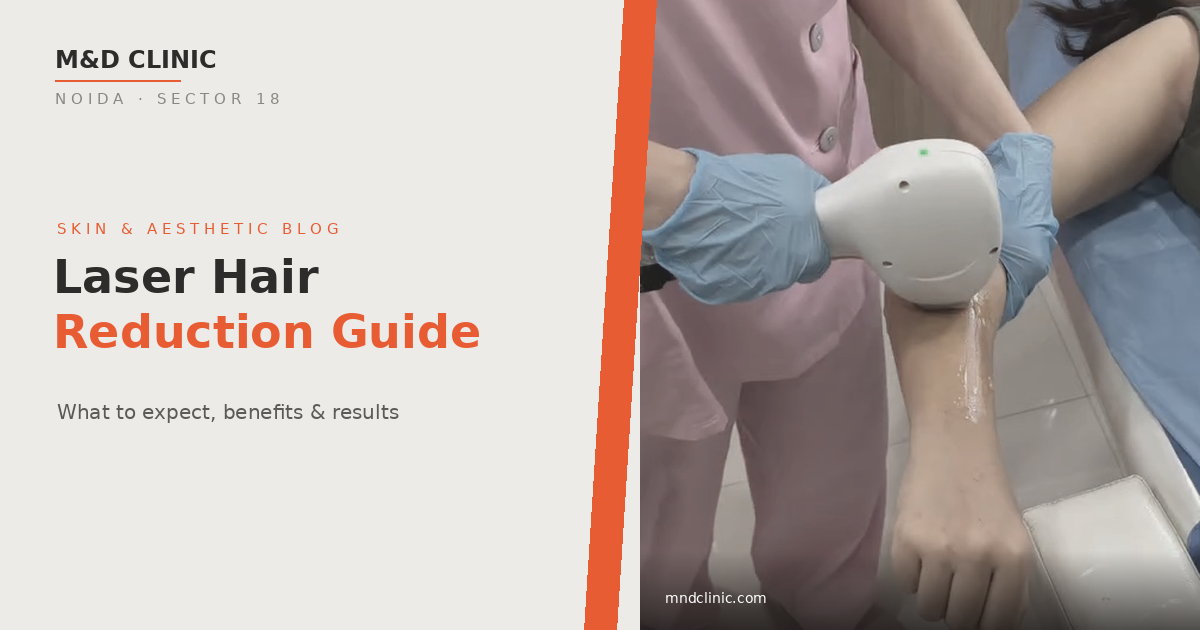
Laser Hair Reduction in Noida: What to Expect, Benefits & Results Tired of the endless cycle
18 Jul 2026
Best Dermatology & Aesthetic Clinic in Noida (And Why Patients Travel From Greater Noida, Ghazia
17 Jul 2026
Finding the best dermatologist in Noida can feel overwhelming with so many clinics offering skin and
14 Jul 2026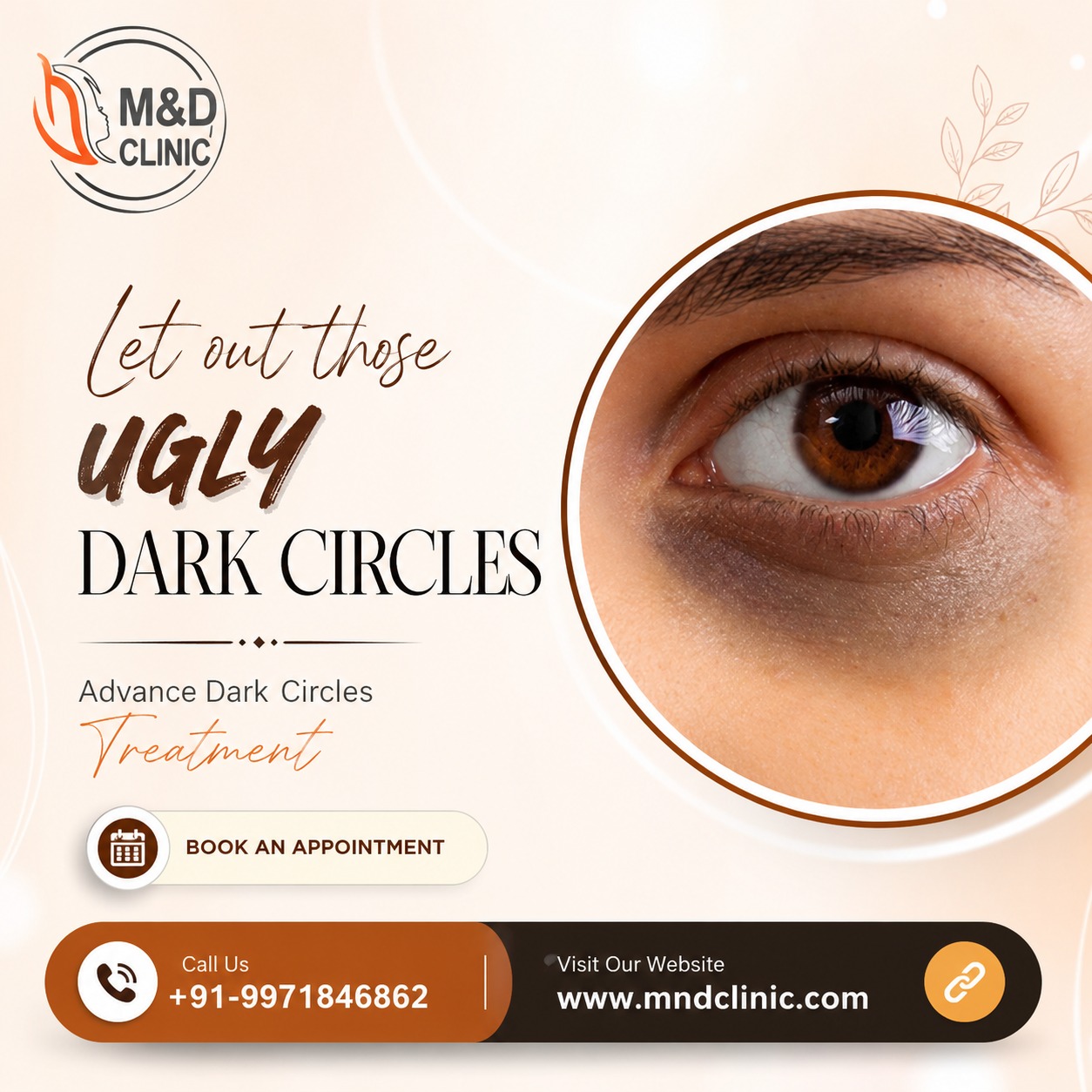
Dark circles under the eyes are one of the most common cosmetic concerns seen in both men and women.
16 May 2026
Dark underarms are a common skin concern affecting both men and women. Underarm pigmentation can imp
13 May 2026
Pigmentation Treatment in Noida: What Actually Works Hyperpigmentation—whether it&rsq
22 Apr 2026
## Is a HydraFacial Worth It? A Dermatologist’s Guide to Glowing Skin in Noida If you&rsquo
03 Apr 2026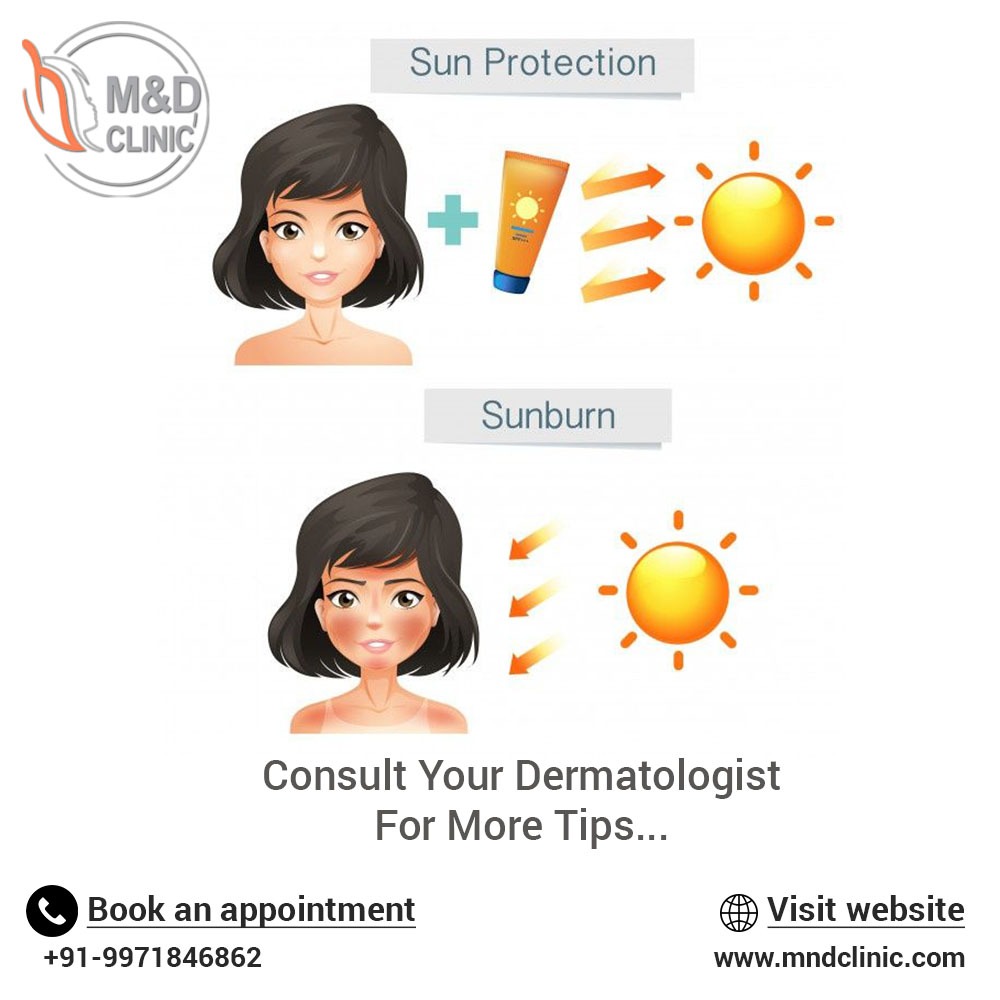
## The Best Sunscreen for Indian Skin: A Dermatologist’s Guide In a city like Noida, where
02 Apr 2026