
Post-Monsoon Hair Fall in Noida: Causes & Treatment
As monsoon winds down, many patients walk into M&D Clinic worried about handfuls of hair coming out in the shower or on their pillow. This isn't a coincidence — post-monsoon hair fall is one of the most common seasonal complaints Dr. Deepti Rana sees every year, and it has clear, treatable causes.
Why Hair Fall Spikes After Monsoon
Humidity during monsoon keeps the scalp damp for longer periods, which encourages fungal growth, dandruff, and scalp irritation. Hair follicles that sit in this environment for weeks are more prone to weakening. Additionally, the natural hair growth cycle means that hair shed due to monsoon-related scalp stress often becomes visible several weeks later — right around late August and September.
Common Causes
Scalp fungal infection or dandruff
Persistent dampness during monsoon creates an environment where Malassezia (the yeast responsible for dandruff) thrives, leading to flaking, itching, and weakened hair roots.
Telogen effluvium (stress-related shedding)
A temporary increase in the number of hair follicles entering the shedding phase, often triggered by humidity, poor scalp hygiene, or general seasonal stress on the body.
Product buildup and improper drying
Frequent washing to manage monsoon dampness, combined with incomplete drying, can leave hair weak and roots more likely to break.
Nutritional gaps
Reduced appetite or dietary changes during monsoon months can occasionally show up as hair thinning weeks later.
When Post-Monsoon Hair Fall Needs Attention
Some seasonal shedding is normal — most people lose 50-100 hairs a day even without any underlying issue. It's worth getting checked when:
Hair fall continues heavily for more than 4-6 weeks
You notice visible thinning or widening of the parting
The scalp is itchy, flaky, or has visible redness
Hair fall is accompanied by hair breakage, not just shedding from the root
How M&D Clinic Treats Post-Monsoon Hair Fall
Dr. Deepti Rana begins with a scalp examination to identify whether the cause is fungal, inflammatory, or cycle-related shedding. Treatment may include medicated scalp treatments to address dandruff or fungal buildup, targeted therapies to support the hair growth cycle, and guidance on scalp care through the transition into drier months. Most patients see a noticeable reduction in shedding within 6-8 weeks of starting the right treatment.
Prevention Tips for the Season Ahead
Dry your scalp thoroughly after washing — don't tie up damp hair
Use an anti-dandruff or antifungal shampoo if you notice flaking
Avoid tight hairstyles that add tension to weakened roots
Don't skip meals — nutritional gaps show up in hair health weeks later
See a dermatologist early if shedding feels heavier than usual, rather than waiting it out
FAQs
Q: Is post-monsoon hair fall permanent?
No, in most cases it's temporary shedding tied to the hair growth cycle and resolves with proper scalp care and treatment within a couple of months.
Q: How is post-monsoon hair fall different from regular hair fall?
It's usually tied to a specific trigger — prolonged scalp dampness, dandruff, or humidity-related irritation — rather than an ongoing underlying condition, which makes it more predictable and treatable.
Q: Should I change my shampoo during this time?
If you're noticing flaking or itching, an antifungal or anti-dandruff shampoo can help. A dermatologist can recommend one suited to your scalp condition rather than guessing.
Q: When should I see a dermatologist for hair fall?
If shedding continues heavily for more than a month, or you notice visible thinning, it's best to get a scalp evaluation rather than waiting for it to resolve on its own.
Q: How can I book an appointment at M&D Clinic?
Call or WhatsApp +91-9971846862, or use the appointment form at mndclinic.com. M&D Clinic is located at G-37, Ist Floor, Sector 18, Noida.
Festive Skin Prep: Your Diwali-Ready Skin Timeline With Diwali just around the corner, M&D Cl
16 Oct 2026
Seasonal Skin Allergies in Noida: Managing Weather-Change Rashes As Noida transitions out of mons
11 Sep 2026
Post-Monsoon Hair Fall in Noida: Causes & Treatment As monsoon winds down, many patients walk
01 Sep 2026
Monsoon Skin Infections in Noida: Causes, Prevention & Treatment Every year, as humidity clim
31 Aug 2026
Monsoon Skin Infections in Noida: Causes, Prevention & Treatment Fungal and bacterial skin in
26 Aug 2026
Skin Tags & Moles Removal in Noida: Safe, Simple & Dermatologist-Led Skin tags and moles
07 Aug 2026
Carbon Laser Facial in Noida: The Treatment Behind That Instant Glow Often called the "Holly
04 Aug 2026
MNRF Treatment in Noida: Microneedling RF for Scars, Texture & Skin Tightening If you've been
03 Aug 2026
Mesotherapy in Noida: Skin Rejuvenation Through Targeted Micro-Injections If you've noticed your
01 Aug 2026
Skin Boosters in Noida: Deep Hydration for Naturally Radiant Skin If your skin feels persistently
31 Jul 2026
Chemical Peels in Noida: Types, Benefits & What to Expect Chemical peels have remained one of
30 Jul 2026
Botox Treatment in Noida: What It Is, How It Works & What to Expect Fine lines and wrinkles a
29 Jul 2026
Pigmentation Treatment in Noida: Causes, Types & What Actually Works Dark spots, uneven skin
25 Jul 2026
Hydrafacial in Noida: The Glow Treatment Everyone's Talking About If you've searched for a quick
24 Jul 2026
Laser Tattoo Removal in Noida: Safe, Effective & Dermatologist-Led Tattoos can carry a lot of
22 Jul 2026
Best Dermatology Clinic in Noida — Your Complete Guide to M&D Clinic, Sector 18
21 Jul 2026
Laser Hair Reduction Myths — Busted (And Why M&D Clinic Is Noida's Trusted Choice)
20 Jul 2026
Acne Treatment in Noida: Causes, Solutions & What Actually Works Acne is one of the most comm
20 Jul 2026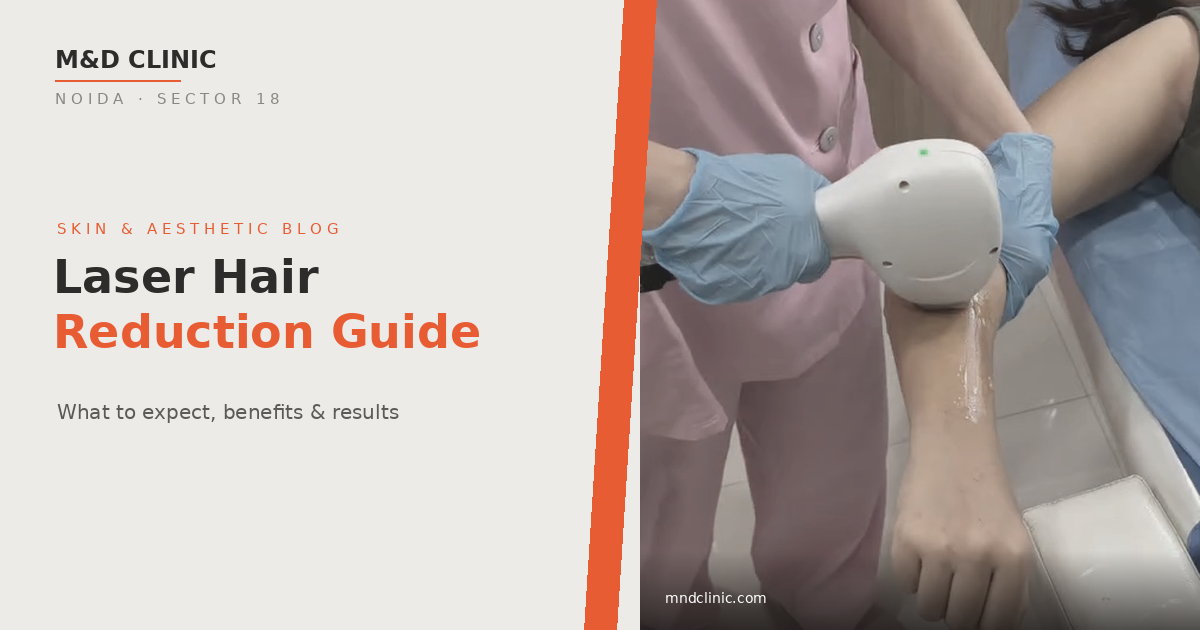
Laser Hair Reduction in Noida: What to Expect, Benefits & Results Tired of the endless cycle
18 Jul 2026
Best Dermatology & Aesthetic Clinic in Noida (And Why Patients Travel From Greater Noida, Ghazia
17 Jul 2026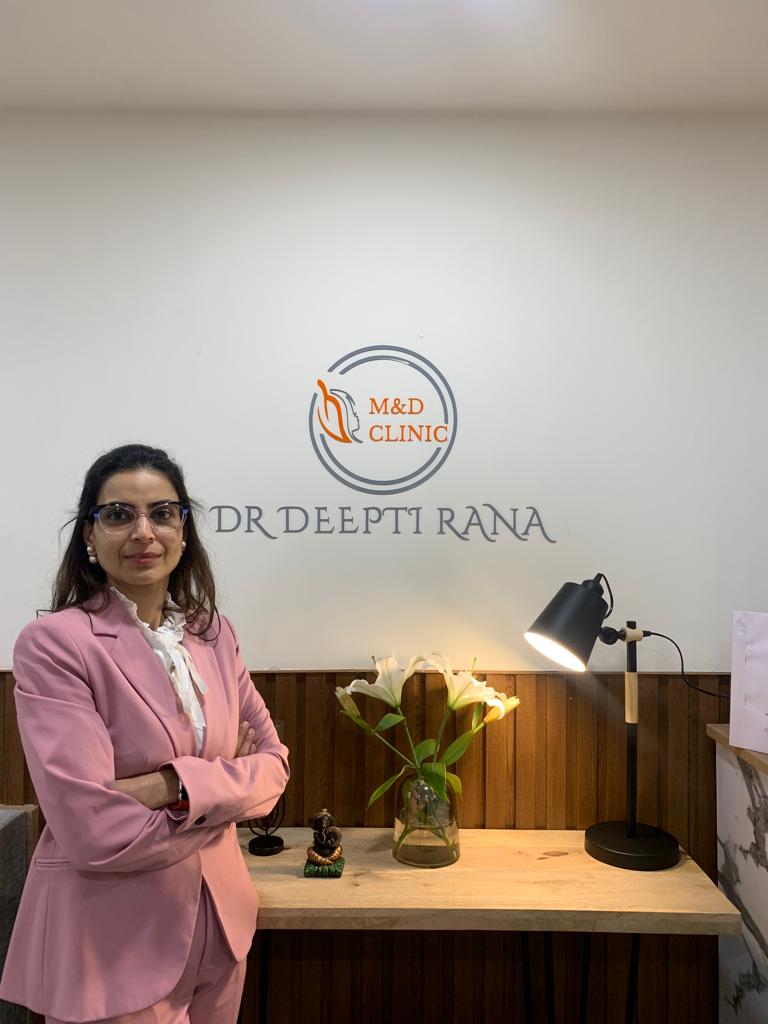
Finding the best dermatologist in Noida can feel overwhelming with so many clinics offering skin and
14 Jul 2026
Dark circles under the eyes are one of the most common cosmetic concerns seen in both men and women.
16 May 2026
Dark underarms are a common skin concern affecting both men and women. Underarm pigmentation can imp
13 May 2026
Pigmentation Treatment in Noida: What Actually Works Hyperpigmentation—whether it&rsq
22 Apr 2026
## Is a HydraFacial Worth It? A Dermatologist’s Guide to Glowing Skin in Noida If you&rsquo
03 Apr 2026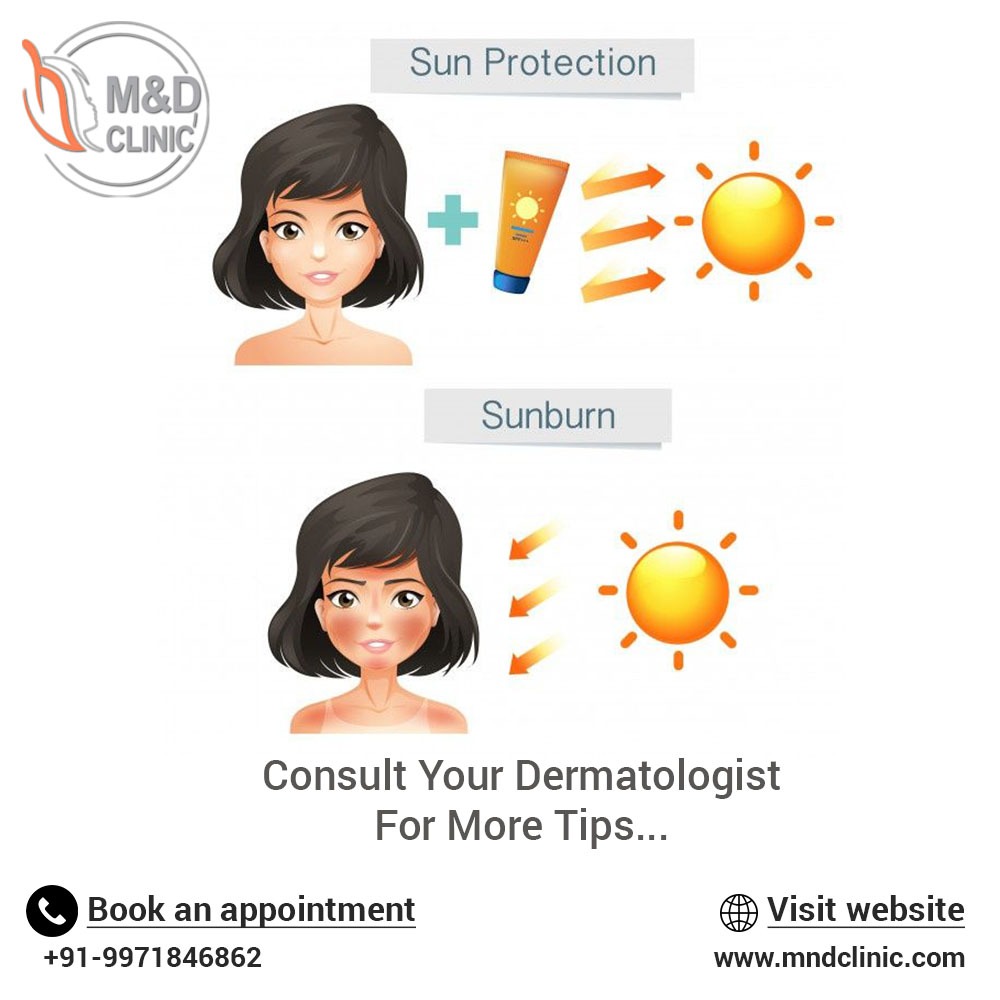
## The Best Sunscreen for Indian Skin: A Dermatologist’s Guide In a city like Noida, where
02 Apr 2026