

Seasonal Skin Allergies in Noida: Managing Weather-Change Rashes
As Noida transitions out of monsoon into drier autumn weather, many patients at M&D Clinic notice sudden hives, itchy patches, or unexplained rashes that weren't there a few weeks ago. This isn't unusual — skin is especially reactive during weather transitions, and Dr. Deepti Rana sees a clear seasonal pattern every year.
Why Weather Transitions Trigger Skin Reactions
Skin's protective barrier adjusts slowly to changes in humidity and temperature. When humidity drops sharply after monsoon, skin that's been consistently moist suddenly faces drier air, dust, and temperature swings between hot afternoons and cooler evenings. This stress on the skin barrier makes it more reactive to allergens, irritants, and even fabrics that caused no issue during monsoon.
Common Reactions During This Transition
Contact dermatitis
Redness and itching where skin meets a trigger — new detergent, fabric, jewelry, or a skincare product that suddenly causes irritation as the skin barrier weakens.
Hives (Urticaria)
Raised, itchy welts that can appear and disappear within hours, often triggered by temperature changes, dust, or seasonal allergens in the air.
Dry, itchy patches (Xerotic eczema)
As humidity drops, skin that stayed hydrated during monsoon can suddenly turn dry and flaky, leading to itching and, in some cases, cracking.
Pollen and dust-triggered flare-ups
Post-monsoon vegetation and increased dust in the air can trigger allergic skin reactions in people already prone to eczema or sensitive skin.
Why These Rashes Are Often Misdiagnosed
Because the timing lines up with weather change, many patients assume it's "just seasonal" and self-treat with generic antihistamine creams or home remedies. But allergic contact dermatitis, hives, and eczema each need different management — and using the wrong approach can prolong the flare-up or lead to repeated episodes each season.
Prevention Tips
Switch to a fragrance-free, gentle moisturizer as humidity drops
Avoid introducing new skincare products or fabrics during the transition period
Keep skin moisturized right after bathing to reinforce the barrier
Limit hot showers, which strip natural oils faster in drier weather
If hives or rashes recur every season, get a proper evaluation instead of just treating each episode as it comes
How M&D Clinic Approaches Seasonal Skin Allergies
Dr. Deepti Rana evaluates whether the reaction is contact-based, histamine-driven, or barrier-related, since the treatment differs for each. Care may include identifying and removing the trigger, barrier-repair skincare recommendations, and antihistamine or anti-inflammatory treatment where needed. Patients with recurring seasonal flare-ups also get a longer-term skincare plan to reduce reactions in future transitions.
When to See a Dermatologist
Hives or rashes last more than a few days despite home care
The reaction is spreading or accompanied by swelling
You notice the same pattern every year at this time
Over-the-counter creams aren't helping or the rash keeps returning
FAQs
Q: Why does my skin react every year around this time?
Skin barrier function is genuinely more vulnerable during rapid humidity and temperature shifts, so recurring seasonal sensitivity is common and treatable with the right preventive skincare routine.
Q: Are hives dangerous?
Most hives are uncomfortable but not dangerous. However, if hives come with swelling of the face, lips, or difficulty breathing, seek emergency care immediately, as this can indicate a more serious allergic reaction.
Q: Should I stop using my regular moisturizer if I break out?
Not necessarily — a change in the weather itself may be the trigger, not your product. A dermatologist can help identify whether it's your skincare, an environmental trigger, or barrier dryness.
Q: How long do weather-change skin reactions usually last?
With correct treatment, most flare-ups settle within a week to ten days. Recurring cases without treatment can persist through the whole transition season.
Q: How can I book an appointment at M&D Clinic?
Call or WhatsApp +91-9971846862, or use the appointment form at mndclinic.com. M&D Clinic is located at G-37, Ist Floor, Sector 18, Noida.
Festive Skin Prep: Your Diwali-Ready Skin Timeline With Diwali just around the corner, M&D Cl
16 Oct 2026
Seasonal Skin Allergies in Noida: Managing Weather-Change Rashes As Noida transitions out of mons
11 Sep 2026
Post-Monsoon Hair Fall in Noida: Causes & Treatment As monsoon winds down, many patients walk
01 Sep 2026
Monsoon Skin Infections in Noida: Causes, Prevention & Treatment Every year, as humidity clim
31 Aug 2026
Monsoon Skin Infections in Noida: Causes, Prevention & Treatment Fungal and bacterial skin in
26 Aug 2026
Skin Tags & Moles Removal in Noida: Safe, Simple & Dermatologist-Led Skin tags and moles
07 Aug 2026
Carbon Laser Facial in Noida: The Treatment Behind That Instant Glow Often called the "Holly
04 Aug 2026
MNRF Treatment in Noida: Microneedling RF for Scars, Texture & Skin Tightening If you've been
03 Aug 2026
Mesotherapy in Noida: Skin Rejuvenation Through Targeted Micro-Injections If you've noticed your
01 Aug 2026
Skin Boosters in Noida: Deep Hydration for Naturally Radiant Skin If your skin feels persistently
31 Jul 2026
Chemical Peels in Noida: Types, Benefits & What to Expect Chemical peels have remained one of
30 Jul 2026
Botox Treatment in Noida: What It Is, How It Works & What to Expect Fine lines and wrinkles a
29 Jul 2026
Pigmentation Treatment in Noida: Causes, Types & What Actually Works Dark spots, uneven skin
25 Jul 2026
Hydrafacial in Noida: The Glow Treatment Everyone's Talking About If you've searched for a quick
24 Jul 2026
Laser Tattoo Removal in Noida: Safe, Effective & Dermatologist-Led Tattoos can carry a lot of
22 Jul 2026
Best Dermatology Clinic in Noida — Your Complete Guide to M&D Clinic, Sector 18
21 Jul 2026
Laser Hair Reduction Myths — Busted (And Why M&D Clinic Is Noida's Trusted Choice)
20 Jul 2026
Acne Treatment in Noida: Causes, Solutions & What Actually Works Acne is one of the most comm
20 Jul 2026
Laser Hair Reduction in Noida: What to Expect, Benefits & Results Tired of the endless cycle
18 Jul 2026
Best Dermatology & Aesthetic Clinic in Noida (And Why Patients Travel From Greater Noida, Ghazia
17 Jul 2026
Finding the best dermatologist in Noida can feel overwhelming with so many clinics offering skin and
14 Jul 2026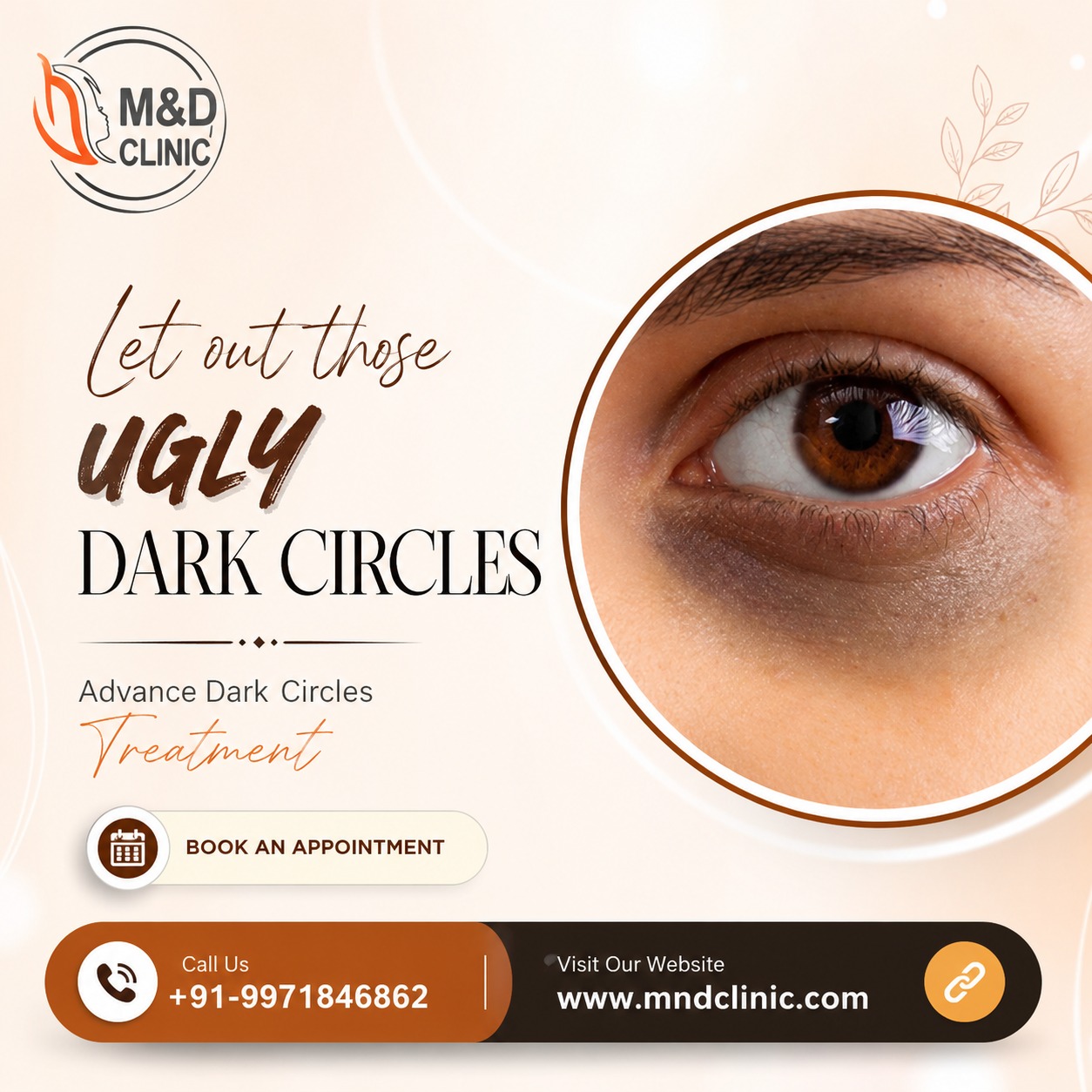
Dark circles under the eyes are one of the most common cosmetic concerns seen in both men and women.
16 May 2026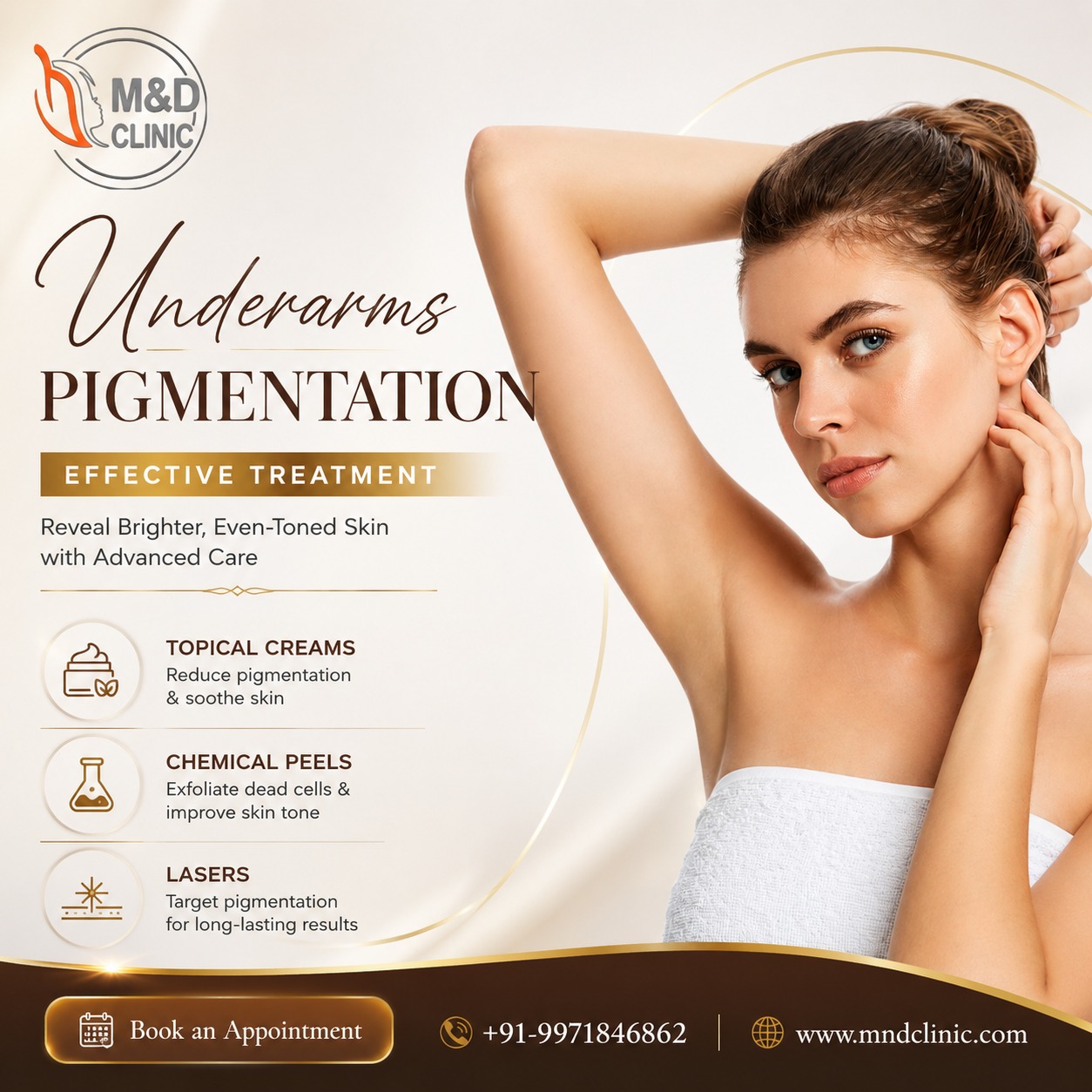
Dark underarms are a common skin concern affecting both men and women. Underarm pigmentation can imp
13 May 2026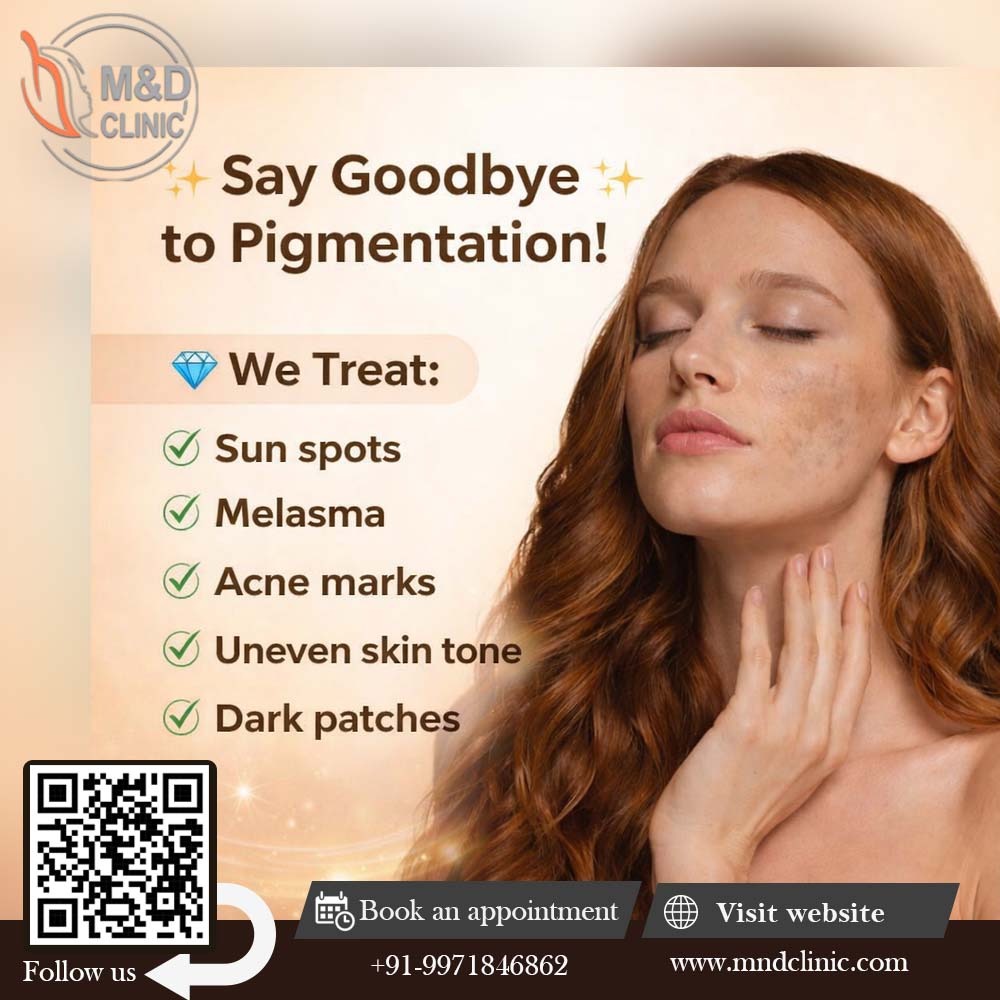
Pigmentation Treatment in Noida: What Actually Works Hyperpigmentation—whether it&rsq
22 Apr 2026
## Is a HydraFacial Worth It? A Dermatologist’s Guide to Glowing Skin in Noida If you&rsquo
03 Apr 2026
## The Best Sunscreen for Indian Skin: A Dermatologist’s Guide In a city like Noida, where
02 Apr 2026